
Hangzhou No. 2 Middle School, as one of the key middle schools in Zhejiang Province, has long achieved outstanding results in education and teaching. The school not only has a strong teaching staff but also has always been at the forefront in terms of teaching concepts, methods, and the application of technologies. Professor Cai Xiaoxiong, who conducted in-depth exchanges with the Association for Research on AI in Learning and Leadership this time, is not only the Party Secretary and Principal of the school but also a renowned expert in the field of mathematics education. With rich teaching experience and profound academic attainments, he has won many national and provincial honors, including the “Su Buqing Mathematics Education Award” and the “First National High School Mathematics Quality Course First Prize”, making him one of the important figures in the education sector.
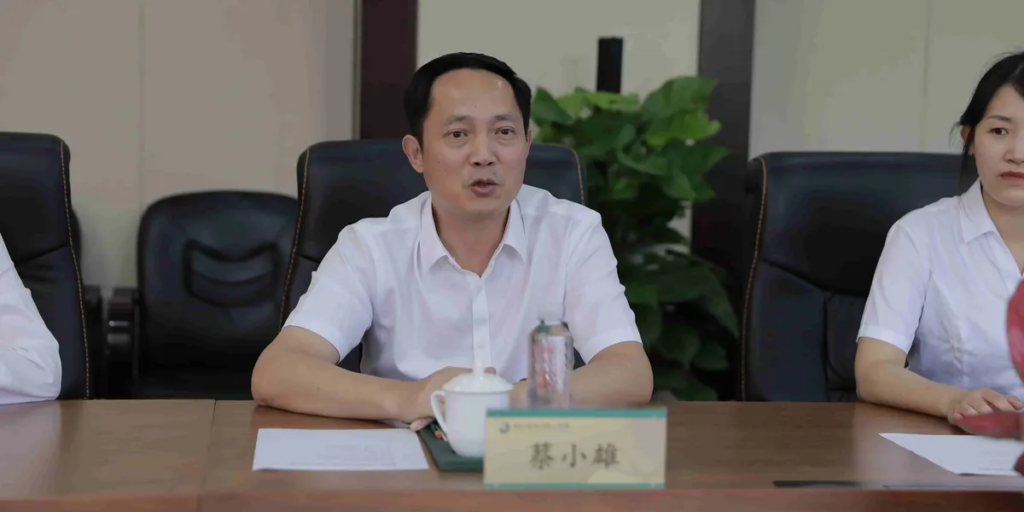
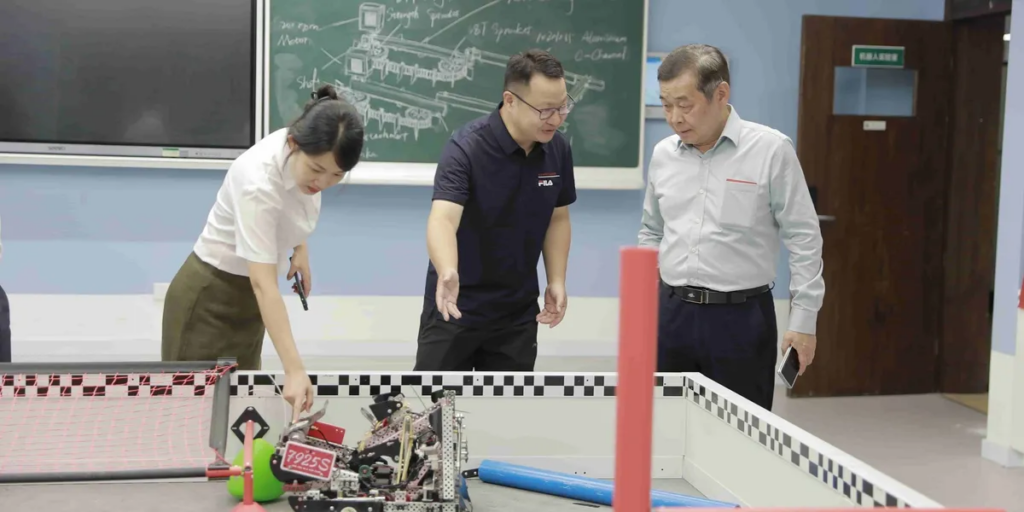
After the warm welcome ceremony, both parties officially entered into the discussion on the theme. Professor Cai Xiaoxiong first introduced the achievements and experiences of Hangzhou No. 2 Middle School in education and teaching, especially the school’s explorations and attempts in the application of artificial intelligence technology. He mentioned that in recent years, Hangzhou No. 2 Middle School has actively introduced artificial intelligence technology, providing students with a more personalized and efficient learning experience through various means such as intelligent teaching systems, online learning platforms, and intelligent assessment systems. At the same time, the school also attaches importance to teacher training, helping teachers master new technologies and methods to improve the quality and efficiency of teaching.
Subsequently, representatives from the Association for Research on AI in Learning and Leadership also shared their experiences and achievements in artificial intelligence language education. They elaborated on the association’s work in developing intelligent language learning tools, organizing international competitions, and how to promote the inheritance and development of language and culture through artificial intelligence technology. Both parties also conducted in-depth discussions and exchanges on the application of artificial intelligence in the field of education, such as personalized learning, intelligent tutoring and assessment, and the integration and recommendation of educational resources.
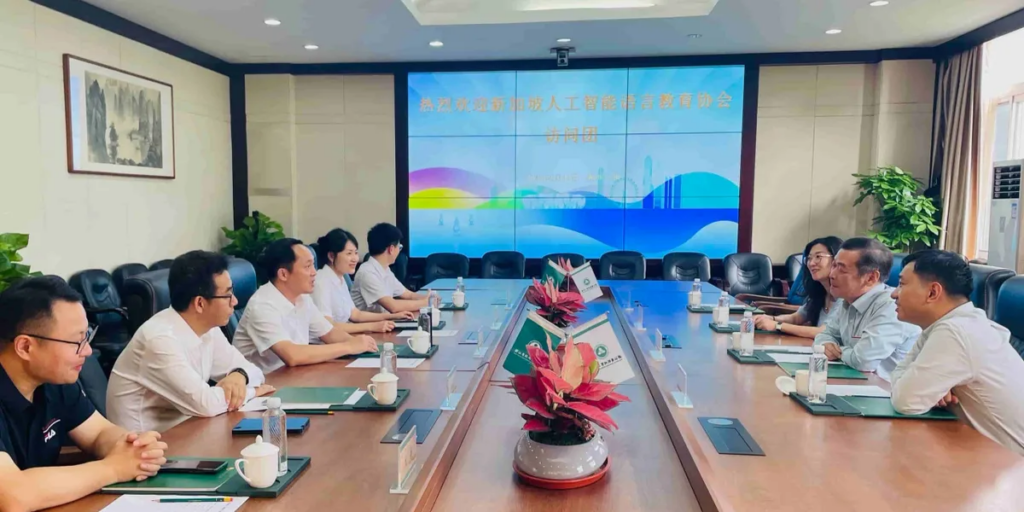
Both parties stated that they will further strengthen exchanges and linkage, jointly promote the application and development of artificial intelligence technology in the field of education, and contribute to cultivating more outstanding talents with innovative spirit and international perspective.